From distinctive panel styles to geometrical window arrangements, learn about the trending garage door designs that complement the architecture of modern homes.
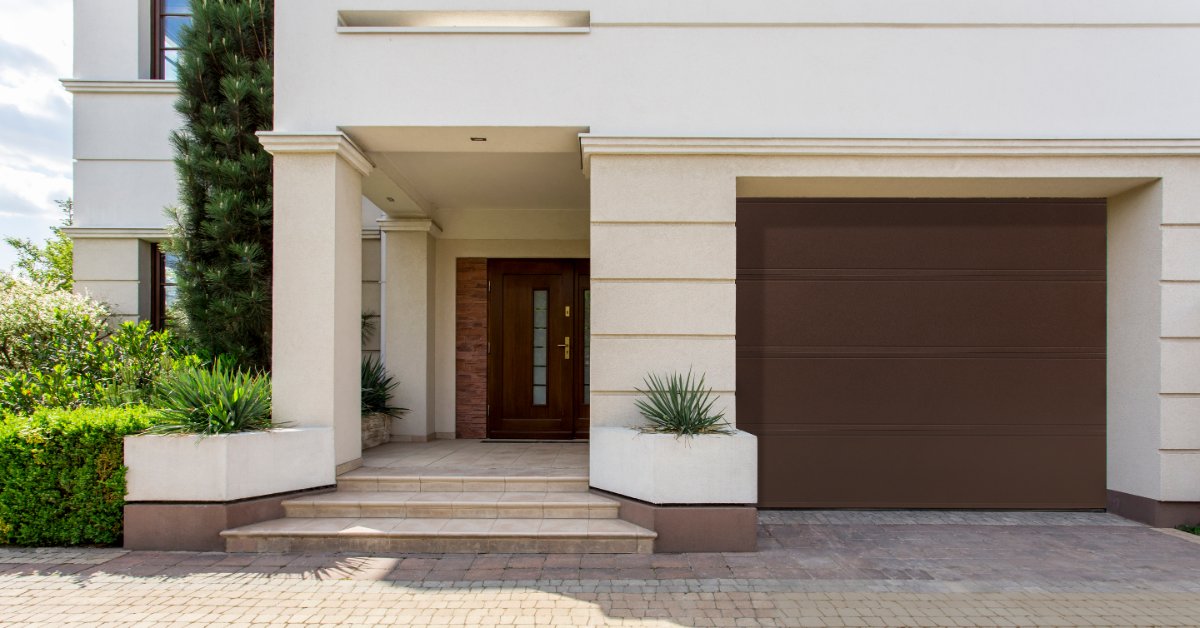
Modern homes emphasize clean architectural lines and careful color combinations. Since the garage door takes up a large portion of the home’s facade, it’s important for the design to complement the home’s existing style. Learning about the different garage door design trends for modern homes will provide you with the inspiration needed to select the windows, panels, and colors to enhance the property’s character.
1. Smooth Flush Panels With Minimal Detailing
Contemporary architecture favors uninterrupted surfaces that emphasize the structure’s shape without excessive ornamentation. Flush-panel garage doors embrace this approach with smooth faces that eliminate the raised rectangular patterns commonly found on traditional models. Their simple appearance complements homes featuring flat rooflines, expansive windows, and understated exterior trim.
The smooth surface also creates an appealing backdrop for architectural features surrounding the garage opening. For instance, a flush door beneath a substantial roof overhang complements the home’s horizontal profile without introducing competing decorative elements. Homeowners seeking a particularly streamlined appearance might choose a solid design without windows or ornamental hardware.
2. Wide Horizontal Sections Across the Door
Long horizontal lines have become a defining characteristic of contemporary garage door designs. These doors feature wide sections that stretch across the opening, creating a continuous pattern with minimal visual interruptions. The resulting appearance complements modern homes featuring horizontal siding and broad architectural proportions.
Panel width and spacing influence how prominently the horizontal pattern appears. Subtle seams create an understated appearance, particularly when the garage door features a consistent finish across its surface. Conversely, pronounced divisions establish a distinctive pattern that becomes part of the home’s exterior design. This style works particularly well on wide garage openings where the horizontal sections emphasize the building’s proportions.
3. Recessed Rectangular Panels With Contemporary Finishes
Traditional recessed panels aren’t exclusive to classic home designs. Contemporary interpretations feature neatly arranged rectangles with shallow profiles and understated detailing. The familiar pattern introduces subtle depth without relying on elaborate decorative trim.
Dark finishes give these garage doors a particularly modern appearance because shadows within the recessed sections emphasize the arrangement. For example, charcoal or black panels complement homes featuring white siding and dark window frames. Small rectangular patterns introduce visual texture across the surface, whereas expansive recessed sections produce a restrained appearance. This combination appeals to homeowners who appreciate traditional detailing within a contemporary exterior.
4. Black Garage Doors Against Light Exteriors
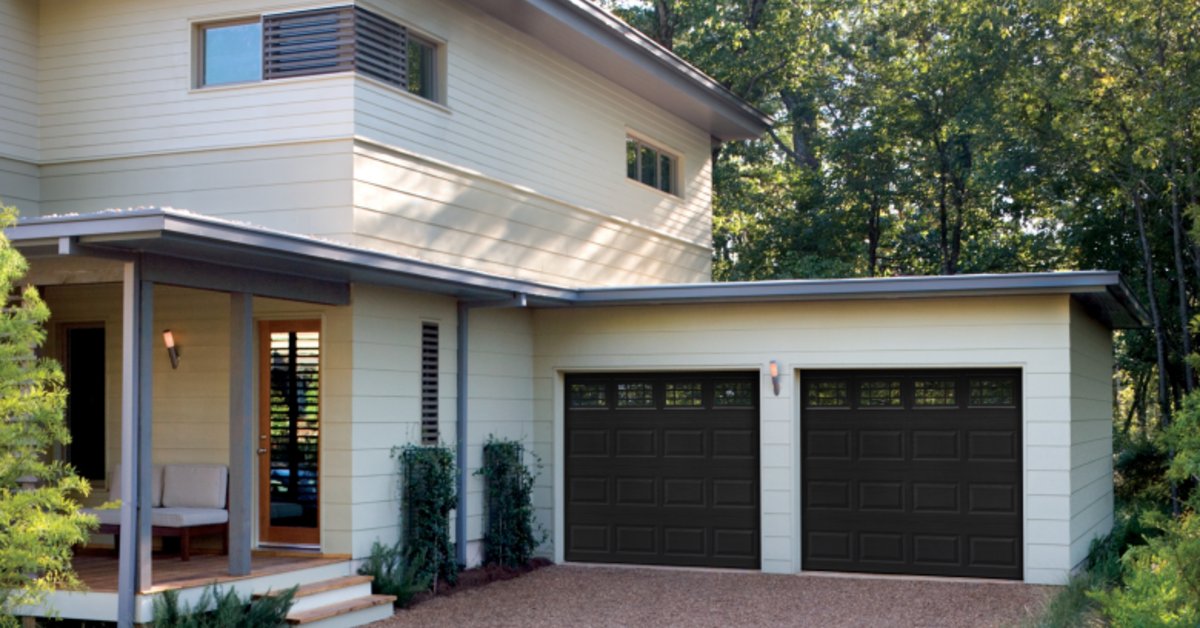
Black garage doors create a striking contrast against white siding, cream-colored stucco, and light gray exterior finishes. Their deep color establishes a prominent focal point while complementing architectural details that feature similar dark tones. This contrast works especially well on contemporary homes with simple exterior profiles.
A black garage door becomes particularly cohesive when the home’s window frames or entry door feature matching finishes. Those repeated accents establish visual continuity without requiring every exterior feature to share the same color. Homeowners also have options within the dark color palette, including subdued shades such as charcoal, that produce a soft contrast against pale exteriors.
5. Warm Neutral Colors With Subtle Contrast
Not every contemporary exterior calls for a dramatic garage door color. Warm neutrals such as taupe, beige, and muted brown complement homes with natural-looking architectural finishes. These shades establish a restrained appearance while introducing enough contrast to distinguish the garage opening from the surrounding walls.
Consider a cream-colored stucco home with a muted brown garage door. The contrast defines the opening without distracting from the building’s architectural character. Similarly, a taupe door against pale gray siding establishes a coordinated palette with subtle differences in warmth. This approach suits modern homes featuring earthy exterior colors and understated landscaping.
6. Garage Doors Matching Exterior Wall Colors
Some contemporary homes use nearly identical colors across the garage door and surrounding exterior walls. This monochromatic approach minimizes visual interruptions and allows the building’s overall architectural shape to take precedence. The garage opening becomes less prominent because its color blends into the surrounding facade.
For example, a light gray garage door against similarly colored siding creates a consistent visual appearance across the front elevation. Matching cream-colored finishes achieve a comparable result on stucco homes. Slight variations in shade remain an option when homeowners want the door to retain a subtle visual distinction. The approach works especially well with flush panels that preserve the exterior’s simplicity.
7. Rectangular Windows Across the Top
A horizontal row of windows introduces decorative detail without disrupting the garage door’s overall appearance. These windows typically occupy the uppermost section, leaving the remaining panels solid. Their evenly spaced arrangement produces a consistent pattern across the width of the opening.
Modern versions feature elongated rectangular panes or individual windows arranged within matching frames. Dark frames emphasize the window outlines, particularly against light-colored doors. Besides their exterior appearance, upper windows introduce daylight into the garage while limiting direct visibility into the interior from street level.
8. Vertical Window Columns Along One Side
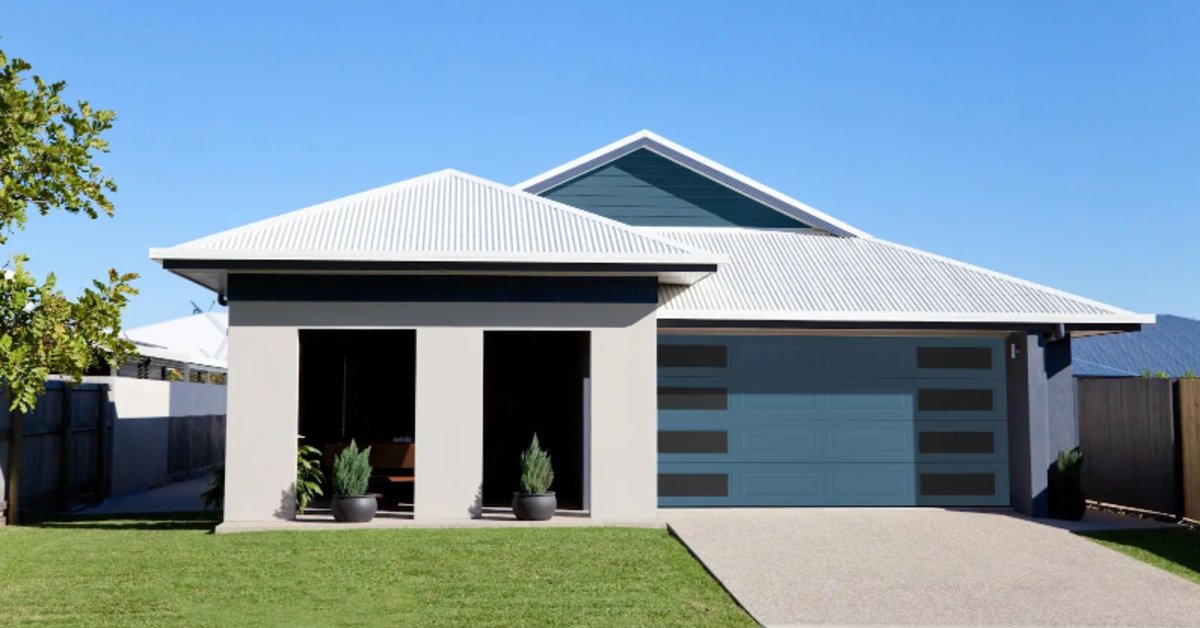
Asymmetrical window arrangements introduce a distinctive architectural feature to contemporary garage doors. One popular configuration places a vertical column of rectangular windows near the left or right edge. The remaining surface features solid panels that contrast with the glass.
This arrangement complements modern homes featuring tall entryway windows or narrow vertical architectural accents. Rectangular panes stacked from the upper portion toward the bottom establish a continuous visual pattern that draws attention to one side of the opening. Homeowners might coordinate the window column with nearby exterior glazing to establish a deliberate relationship between the garage door and the home’s architecture.
9. Tinted Glass With Dark Window Frames
Glass color influences the appearance of contemporary garage door windows. Tinted glass introduces a subdued finish that complements black or charcoal frames, producing a sophisticated contrast against surrounding panels. Its dark appearance also creates visual continuity with modern homes featuring tinted exterior windows.
Smoked or gray-tinted glass works especially well within horizontal window arrangements because the consistent color emphasizes their alignment. Depending on the glazing, tinting reduces glare and limits visibility into the garage compared with clear glass. However, privacy levels vary according to the specific glass option and lighting conditions. Homeowners should consider those differences when selecting window finishes.
Explore Contemporary Garage Door Designs With DoorLux
Choosing among the trending modern garage door designs comes down to finding a combination that suits the home’s architecture. As a custom garage door contractor, DoorLux offers Amarr garage doors that homeowners can design online. We have a variety of available styles, colors, and window options to personalize. To ensure that your new garage door is the perfect fit for your property, customize a contemporary door with DoorLux today.