Homeowners want a garage door that limits exterior sounds and doesn't screech during every cycle. Learn why custom garage doors have noise reduction benefits.
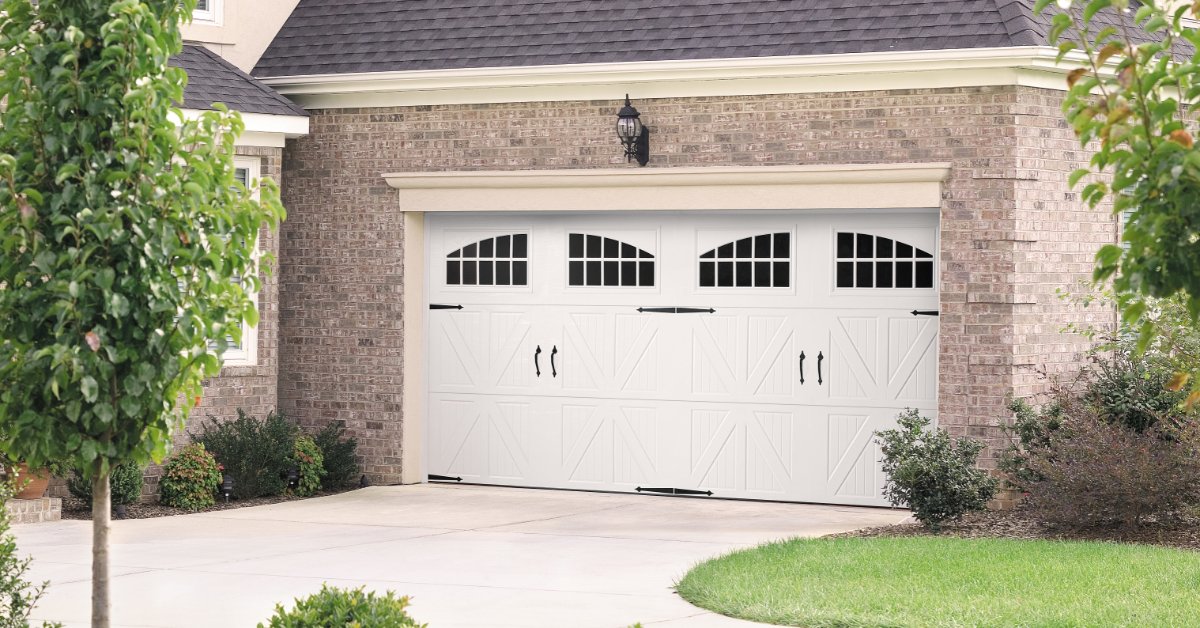
A garage door covers a wide exterior opening, so vibration has room to travel through the panel. Thin construction tends to flex during operation and create a hollow sound inside the garage. The same sound reaches offices and shared rooms near the garage. A custom garage door reduces noise through structure and installation.
Construction Shapes Sound Control
Thin doors don’t have ample internal support, so they tend to echo during operation. Panels with heavy-duty construction have a firm surface that endures less vibration than thin doors.
The panels’ design affects how they react to motion, too. For example, a door with excess flex sends movement through the whole system. The result is a sharp noise because the panel acts like a broad vibrating surface. On the other hand, a sturdy panel contains much of the motion during each cycle.
Insulation Softens Operation
Homeowners often think about insulation in terms of temperature, but it’s equally valuable for noise reduction. Insulation supports sound control because it fills the empty space inside the door. Empty space lets vibration spread across the panel with a cutting echo; insulated construction changes the panels’ response during movement. The dense door emits minimal sounds because the internal material absorbs part of the energy.
Households with active schedules benefit from quiet garage door operation. Someone leaving before sunrise shouldn’t wake up every person because the door rattles harshly as it opens and closes. By choosing an insulated custom garage door, every arrival and departure offers a low sound profile.
Insulation also changes how outdoor sound enters the garage. The added material inside the panel slows the movement of sound through the surface. Traffic and neighborhood activity still exist outside, but the thick construction establishes a strong sound barrier.
Precise Fit Limits Rattling
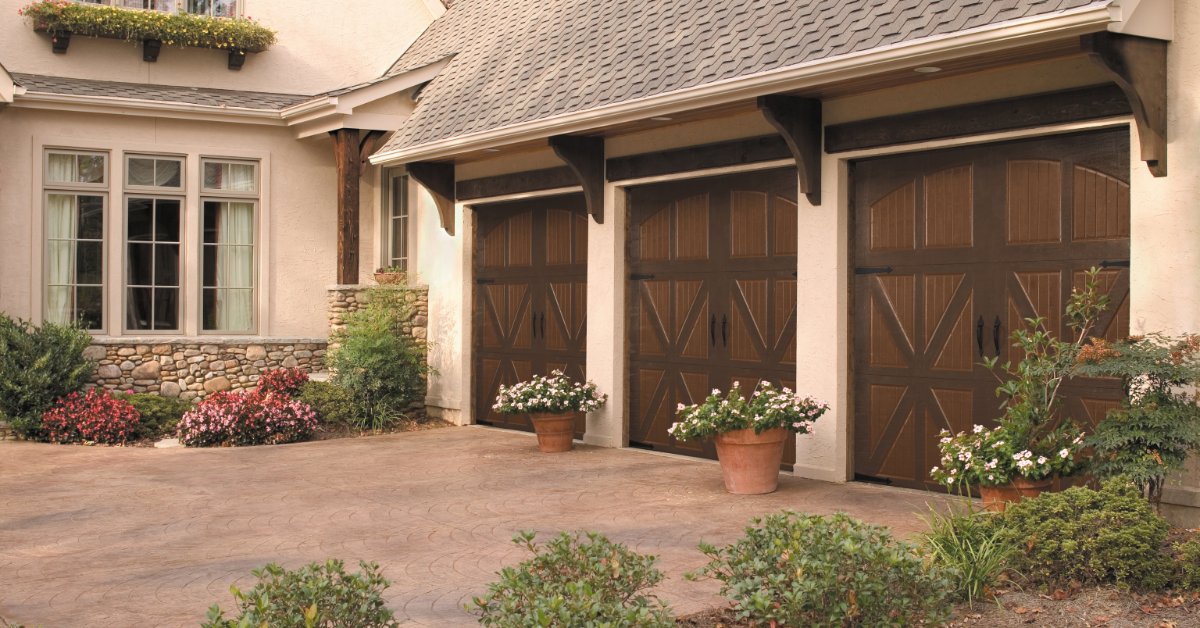
Older homes and newer homes may have different framing conditions and sizes. Choosing a stock door means that there could be gaps around the perimeter after installation.
Fit affects the edges of the door first. A panel that shifts in the opening sends vibration into the nearby components, producing rattling during each cycle. The sound becomes noticeable because the door lacks a stable resting position.
With gaps in the frame, the door doesn’t form a solid barricade. Outdoor noises can enter the garage more easily. Custom garage doors are the best way to choose the exact size the home needs, rather than hoping the door fits correctly. A precise fit reduces movement, stops outdoor sounds, and supports a smooth cycle.
Hardware Guides Smooth Movement
Hardware controls how the door moves. Tracks and hinges influence the sound people hear inside the home. Rollers and opener components guide the same experience. Even a strong panel sounds disruptive with rough movement.
Smooth movement depends on coordination. The panel should travel through the tracks with consistent balance. Hinges should support each section during the full cycle. Rollers should guide motion without excess shaking.
A quiet garage door comes from the full assembly. The panel, tracks, opener, and hardware must work together. Experienced garage door builders take all of these components into account, so that the door doesn’t endure substantial strain while operating.
Attached Rooms Stay Quiet
Sounds are easy to notice in the home because attaches garages share walls or framing with various living spaces. They move through connected areas and reach bedrooms, kitchens, and home offices.
Noise reduction benefits every household because it improves how the rooms function. By identifying the primary noise sources, homeowners can design custom garages that mitigate sounds. Insulation, reinforced panel construction, quality rollers, and the correct sizing will work together to reduce rattling. As a result, the nearby rooms won’t have to hear screeching sounds on every cycle.
Outdoor Noise Loses Its Strength
The garage door faces the street and receives a wide range of outdoor sounds. Traffic reaches the door before it reaches the rest of the home. Lawn equipment and neighborhood activity follow the same route. Weak construction lets those sounds pass through with little resistance.
A custom garage door reduces that transfer through several design factors. Homeowners can choose the panel’s durability and insulation level. While no garage door eliminates every sound from a busy street, the right door changes how noise enters the garage. Instead of a thin surface reacting to each outdoor disruption, the garage gains a steady barrier.
These elements are valuable in neighborhoods with a steady flow of traffic or active walking paths. The outcome is a quiet space that doesn’t require homeowners to alter the property’s layout.
Limit Noises During Severe Weather
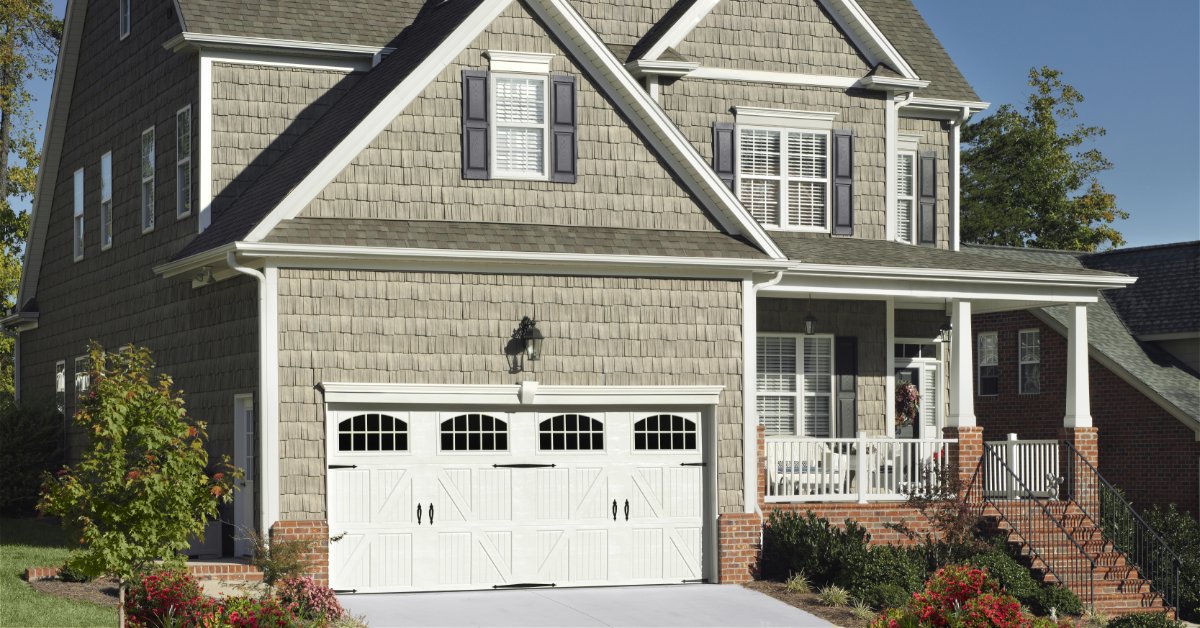
Storms put pressure on the entire garage door system. Wind pushes against the panels, while rain and hail strike the exterior in uneven patterns. Branches and loose debris add sharper impact sounds during intense weather.
High-quality custom construction reduces that harsh storm noise through durable panels and stable movement. The door still needs strength during severe weather, and its structure also affects how sound enters the garage. A reinforced design absorbs impact with limited shaking, so heavy rain, hail, and wind sound more controlled from inside the home.
Custom design also gives homeowners a way to account for regional weather concerns. Areas with frequent storms may benefit from stronger panel construction and wind-rated options. Those choices support noise control while giving the door the durability required for demanding conditions.
Choose Comfort Through Custom Design
The best sound-control results come from matching the door to the home. Construction, insulation, fit, hardware, and installation all shape the way a garage door sounds. Each choice reduces a different source of noise.
DoorLux offers durable Amarr garage doors with options that support strength and quiet operation. Homeowners can design a garage door online and choose a style that suits the property. Professional installation then turns that design into a complete system. Those noise reduction benefits make a custom garage door a practical upgrade to everyday comfort.
DoorLux serves homeowners nationwide. The process includes old door haul-away and clear support from design through installation. Design a custom garage door with DoorLux to make your home comfortable and quiet.