There are many garage doors on the market, but what are the differences between stock and custom doors? Find out which option fits your home improvement goals.
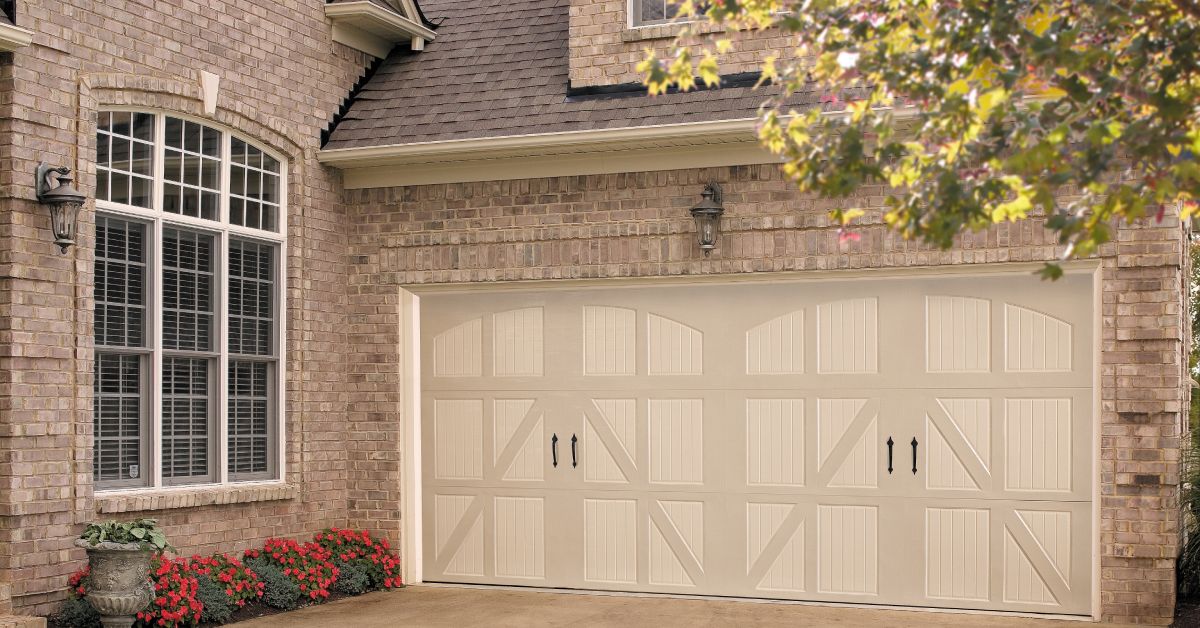
When you pull up the driveway of a house, the garage door immediately catches your attention. If you’ve been less than satisfied with your door’s current appearance or performance, you might be considering an upgrade.
Many homeowners start shopping and quickly realize they must choose between mass-produced models and tailored designs. Pricing, features, and quality become pressing questions. Understanding the differences between stock and custom garage doors helps narrow that choice and points toward a solution that fits both style and function.
Stock Garage Doors
Stock garage doors come premanufactured in standard sizes, colors, and panel styles. Big-box retailers and national suppliers keep them readily available for quick ordering and installation. They suit straightforward replacements where design and extreme durability aren’t priorities. While convenience attracts many buyers, stock doors come with limitations.
Limited Design Options
Manufacturers produce stock doors in a narrow range of styles. Most follow traditional raised-panel or basic carriage-house designs. Color choices typically include white, almond, brown, and a few neutral finishes.
If a home features distinctive trim, stonework, or modern architecture, these preset options may clash with the overall look. Homeowners must adapt their vision to fit what’s available rather than choosing a door that complements the home’s character.
Fixed Sizing
Predetermined door widths and heights don’t fit every home. Properties with nonstandard openings may require framing adjustments or filler panels to make a standard door fit. However, this workaround affects the door’s appearance and structural symmetry.
Basic Materials and Construction
Stock models commonly feature entry-level steel or lightweight composite materials. While these materials meet basic performance standards, they don’t always deliver enhanced insulation, layered construction, or upgraded hardware.
Some models include single-layer steel without added insulation. In cold climates or regions with extreme heat, the lack of thermal protection impacts energy efficiency and garage door durability.
Standard Hardware and Window Placement
Manufacturers determine where decorative handles, hinges, and window inserts go before the product ever reaches a homeowner. Buyers must select from those fixed configurations rather than adjusting details to suit their home’s design.
That limitation affects more than appearance. Window placement influences natural light inside the garage and impacts exterior symmetry. If a home has unique architectural lines or evenly spaced exterior features, preset window grids may look slightly off-balance.
There are stock doors that could fit your home’s architecture and style. Nevertheless, homeowners who want decorative handles, unique window grids, or specialty glass won’t find much flexibility in a stock lineup.
Custom Garage Doors
Custom garage doors give homeowners full control over style, materials, insulation, and finishing details. Instead of selecting from a limited shelf inventory, buyers build a door around their home’s architecture and performance needs. Working with experienced custom garage door contractors ensures accurate proper sizing, certified installation, and design control.
Tailored Design
Select panel styles, window placement, glass types, decorative hardware, and paint or stain finishes with custom doors. Whether the goal involves a clean-lined contemporary look or a classic carriage-house appearance, customization supports that vision.
A door that aligns with the home’s shutters, stone accents, and roofing color supports a cohesive facade. Design tools simplify the process by letting homeowners preview combinations before ordering. That clarity removes guesswork and builds confidence in the final selection.
Material Upgrades
Custom garage doors stand out because manufacturers build them with upgraded, reinforced materials that prioritize durability and performance. Homeowners can select from upgrades such as:
• Multilayer steel construction
• High R-value insulation
• Reinforced framing for wind-rated regions
Insulation plays a major role in overall construction quality. Higher R-value insulation improves thermal resistance and supports energy efficiency.
Additionally, some regions recommend wind-rated garage doors. Homeowners can easily customize the door to feature reinforced framing, tracks, and hardware.
Precise Fit
With so many home designs across the nation, it’s difficult to find a stock door that meets every requirement. When tracks, panels, and framing align correctly from the start, the system moves smoothly and distributes weight evenly across components. That alignment reduces strain on springs and rollers, which supports consistent performance over time.
A custom garage door aligns exactly with the structural opening of the garage. The detailed measurements will prevent uneven gaps around the perimeter.
What Is the Long-Term Value of Each Option?
Price frequently drives the initial decision. Stock doors usually cost less upfront because manufacturers produce them in bulk. Nevertheless, long-term value extends beyond the purchase price.
Enhanced insulation reduces temperature fluctuations in attached garages. That improvement benefits adjacent living spaces and lowers strain on heating and cooling systems.
Durability plays a major role, too. Heavy-gauge steel, reinforced tracks, and upgraded springs extend service life and reduce replacement frequency.
Furthermore, custom doors boost curb appeal and resale value. Since you can choose specialty features that perfectly match the home’s design and the region’s weather patterns, this improvement will prove to be attractive to potential buyers.
How To Decide What Fits
Stock doors serve a purpose, but they don’t meet every homeowner’s expectations. Custom doors deliver more flexibility, stronger design alignment, and performance features that match regional demands.
Choosing between stock and custom garage doors requires an honest assessment of priorities. Some homeowners want a quick, economical update. Others want a statement piece that transforms the exterior. Consider these factors before making a decision:
• The architectural style of the home
• Climate and insulation needs
• Homeowners’ association requirements
• Long-term plans to sell or stay
• The desired level of personalization
If the home features distinctive design elements or sits in a region with strict wind or insulation standards, custom options provide greater flexibility. If the opening follows standard sizing, a simple stock door may suffice.
Homeowners should think beyond immediate convenience. A garage door functions as both an architectural focal point and a protective barrier. It deserves the same consideration as roofing, siding, or entry doors.
Invest in a Long-Lasting Garage Door
A garage door influences how a home looks and functions every single day. Choosing a tailored option strengthens curb appeal and supports long-term value.
DoorLux makes it simple to design and install a custom garage door. Incorporate numerous specialized features—from window placement to enhanced insulation—by designing your ideal garage door through our online builder. Once you love every element, a licensed contractor will install the door at your earliest convenience. Start designing today and find out why our custom garage doors are incredible!