Understanding garage door maintenance needs, such as cleaning and lubricating the rollers, will keep your door operating reliably for years.
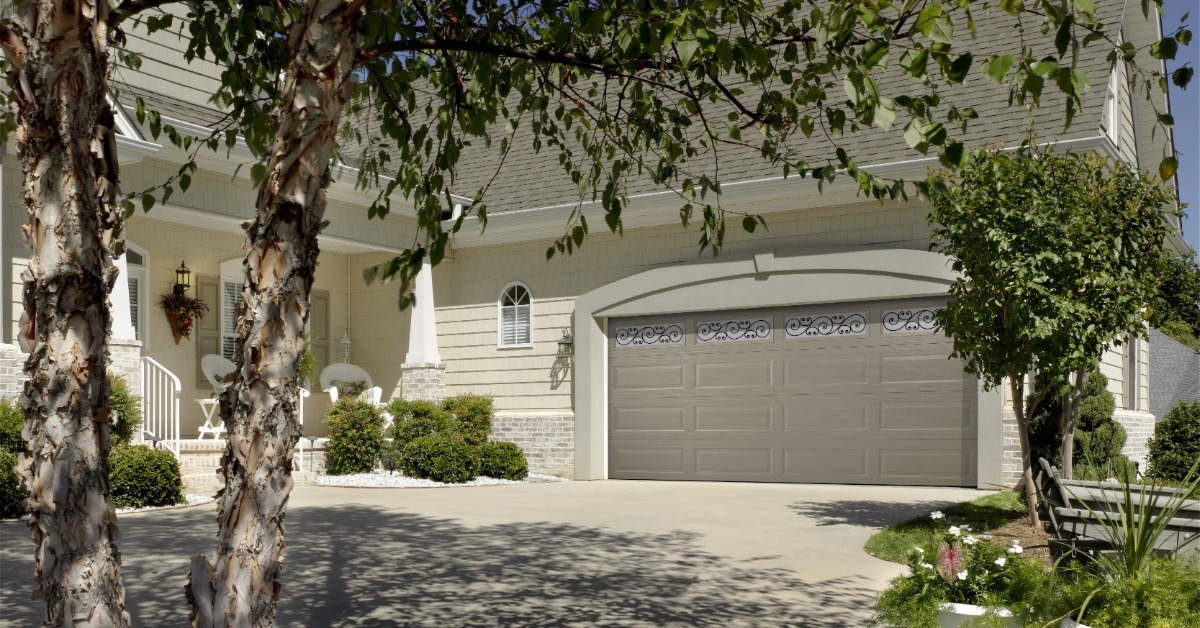
A typical day starts with opening the garage door on your way out for work. Then, the door goes through a few more cycles after returning home, running a few errands, or doing yard work. Since the garage door endures several cycles a day, it needs regular maintenance to keep the hinges and rollers operating smoothly.
Exterior Cleaning Protects the Steel Finish
Weather leaves plenty behind on a garage door even when the surface appears durable. Dust settles into textured panels as rainwater dries across the finish. Road salt or airborne grime clings to low areas.
Periodic washing clears away buildup before residue sits against the finish for extended periods. Use a mild household detergent mixed with warm water as well as a soft cloth to protect the coating. By cleaning up the door at least once a year, it will be fresh and free of contaminants throughout the seasons.
Lubrication Supports Moving Components
Every opening cycle moves the hinges and rollers while the springs support the door’s weight. Because these parts work together repeatedly, friction can increase as lubrication wears away or moving surfaces lose their smooth interaction. Homeowners may notice the change through squeaking or rough door movement. Annual lubrication reduces friction so that the door can maintain smoother operation.
The door’s sound and movement after lubrication can reveal whether the treatment addressed the problem. Continued squeaking or rough operation may point to worn hardware or damaged components. Persistent noise or unusual movement warrants professional evaluation before the condition strains the entire system.
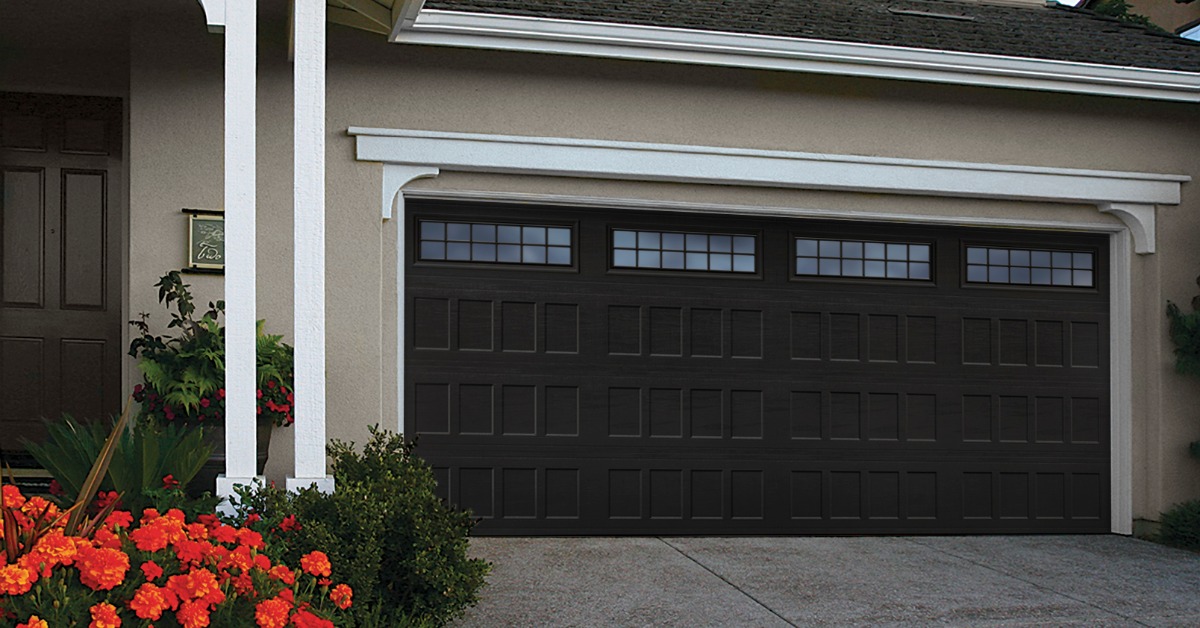
Rollers Collect Debris and Develop Wear
Rollers move through the tracks along both sides of the opening each time the garage door rises or lowers. As they travel, they encounter various particles, like dirt, that collect around the roller path. Old lubricant may trap this debris, creating additional friction that degrades the door’s operation.
Look for dirt around the rollers and track edges, along with cracks or other visible damage on the rollers themselves. Removing loose debris from the surrounding area helps maintain a clearer path, although homeowners should avoid bending the tracks or adjusting connected hardware.
As rollers wear, they may create vibration, rattling, or uneven movement that places extra strain on nearby components. Cracked rollers or persistent operating changes usually indicate a need for replacement. A qualified garage door professional can replace damaged rollers while checking the surrounding hardware for related wear.
Springs Carry Repeated Door Loads
Few garage door components handle as much tension as the spring system. Each time the door opens or closes, the springs counterbalance its weight and help the opener move it smoothly. That repeated workload gradually wears the metal, and years of cycling can eventually reduce a spring’s performance or cause it to break.
A yearly visual inspection reveals issues such as corrosion and gaps. While lubrication may quiet ordinary operational sounds, persistent squeaking indicates more serious mechanical issues. Garage door springs store significant tension, so homeowners shouldn’t loosen, adjust, or replace them. Moving a spring without the right equipment and training can create a serious safety hazard. A damaged spring or sudden change in door balance calls for evaluation from a trained garage door professional.
Lift Cables Develop Visible Wear
Lift cables work alongside the spring system to raise and lower the garage door. Each operating cycle places tension on the cables, and that repeated strain can eventually fray individual strands, cause corrosion, or create other visible damage. Because the cables help distribute the door’s weight evenly, a problem on one side can hinder the door’s balance and movement.
Frayed strands, rust, kinks, and loose sections all indicate that the cable needs professional attention. However, don’t attempt to treat these problems yourself. Since the cables connect directly to the high-tension lifting system, a trained technician needs to assess and treat the damage.
Component Wear Causes Door Imbalances
A balanced garage door relies on its spring system to offset the door’s weight and keep each opening cycle controlled. As springs, cables, or related hardware wear, that balance can shift gradually. The opener then carries more of the load, which may cause it to strain, move unevenly, or operate more slowly than usual.
Changes in the door’s movement often reveal an emerging balance problem. The door may travel crookedly, feel unusually heavy, or hesitate as it opens. An opener that struggles to function indicates a balance issue rather than the need for a more powerful motor.
A trained technician can restore the proper relationship between the door and its lifting system. Because balance adjustments involve components under significant spring tension, professional service protects both the equipment and the people nearby.
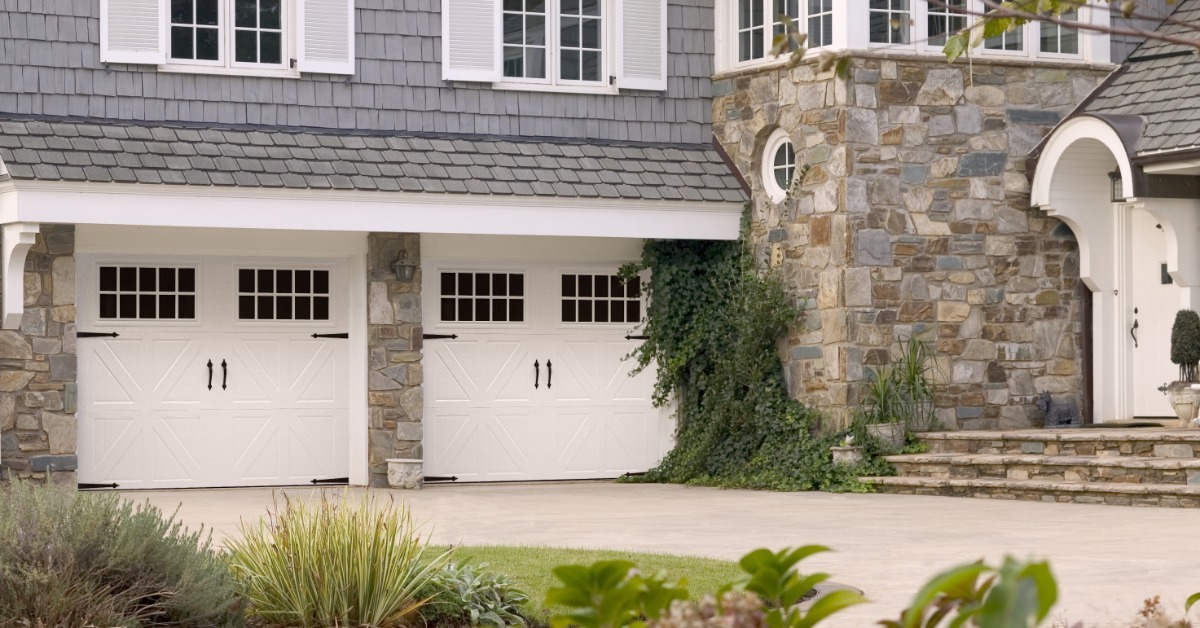
Automatic Reversal Requires Routine Tests
The automatic reversal feature stops and switches the door’s direction when it encounters an obstruction while closing. The system responds to resistance or an interruption in the sensor beam.
Regular testing helps confirm that the door responds appropriately. When the system detects an obstruction, it should stop and reverse rather than continue downward. If the door doesn’t reverse right away, the problem may involve the sensors or opener settings.
Openers installed several decades ago may lack automatic reversal technology altogether. Replacing one with a current opener helps protect people, pets, and belongings whenever the door closes.
Safety Sensors Collect Dirt and Shift
Photo eyes sit close to the garage floor, where dust, debris, and stored items can interfere with their line of sight. As these obstructions accumulate, they may interrupt the safety system and prevent the door from closing. Garage activity can also bump a sensor out of alignment.
Clean lenses and a clear path between the sensors help the opener respond reliably. If the door fails to reverse, the issue may involve more than surface dirt or a blocked beam.
When cleaning the lenses and clearing the area don’t restore normal operation, the sensors may need realignment or replacement. A professional can identify the underlying problem and determine whether the opener or its safety equipment needs additional attention.
When Is a Garage Door Replacement Necessary?
Routine care gives homeowners a thorough record of how the door behaves throughout ownership. Tracking garage door maintenance needs makes severe damage or repeated mechanical concerns easy to recognize.
When replacement becomes the sensible next step, choose a dependable brand like Amarr. DoorLux is a garage door builder that provides Amarr doors to homeowners nationwide. Design the door online, schedule a delivery and installation date, and enjoy the incredible quality that an Amarr door offers.